

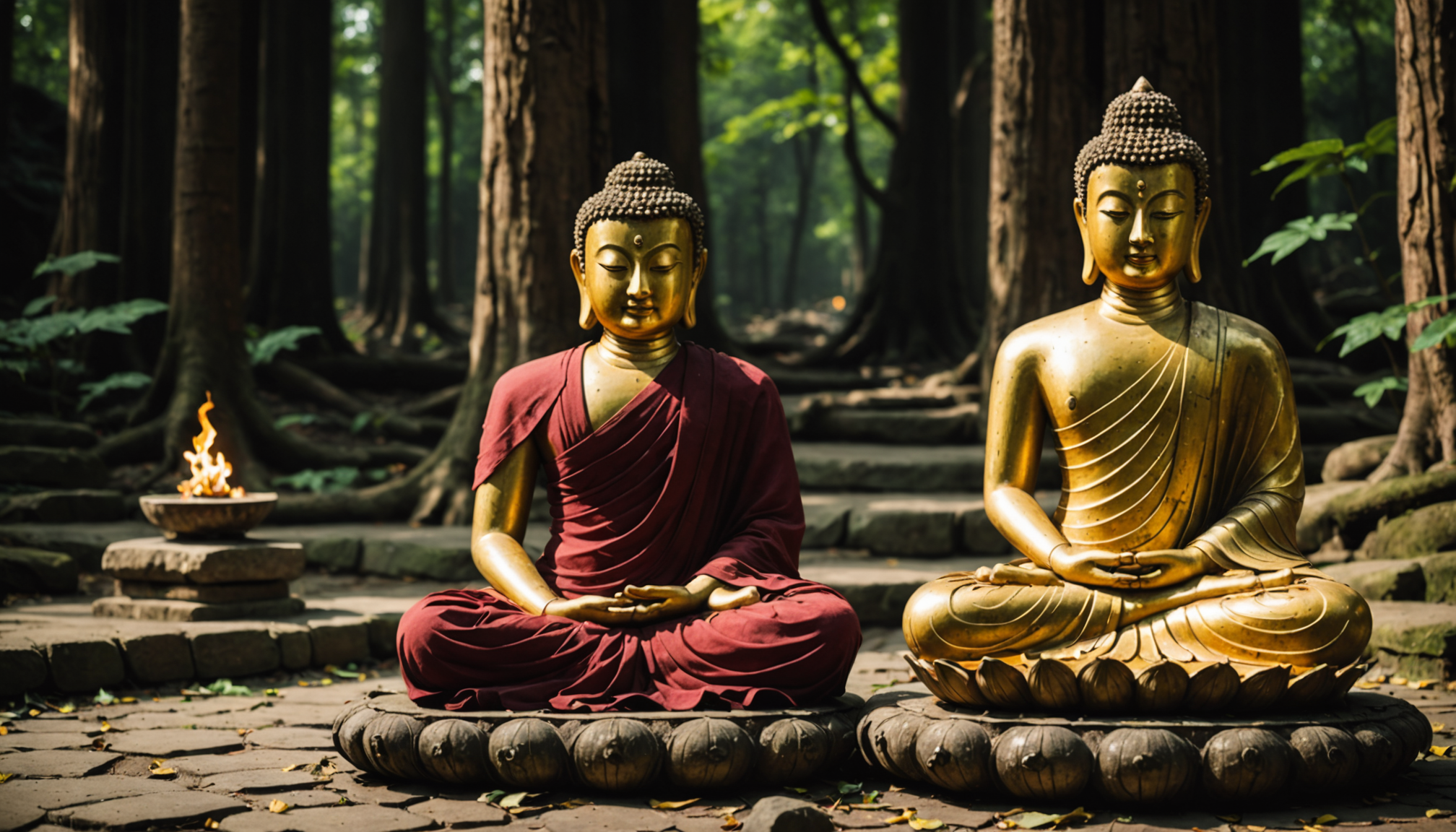
Buddhist philosophy offers a profound lens through which we can examine the nature of existence, suffering, and the path to a more meaningful life. Rooted in the teachings of Siddhartha Gautama, known as the Buddha, this philosophy invites us to explore the intricacies of our experiences and the ways in which we can cultivate a sense of peace and understanding. Unlike many Western philosophical traditions that often focus on abstract reasoning or metaphysical inquiries, Buddhism emphasizes practical wisdom and ethical living. It encourages us to engage with our thoughts and feelings directly, fostering a deeper awareness of ourselves and our relationships with others.
At its core, Buddhist philosophy is not merely a set of beliefs but a way of life. It challenges us to confront the realities of our existence, particularly the inevitability of suffering. By acknowledging suffering as a fundamental aspect of life, we can begin to unravel its complexities and discover pathways toward alleviation. This exploration is not just an intellectual exercise; it has real implications for how we navigate our daily lives, make decisions, and interact with those around us. In this article, we will delve into key concepts of Buddhist thought, particularly the Four Noble Truths, and consider how they can inform our understanding of suffering and guide us toward a more compassionate existence.
Buddhist philosophy offers profound insights into the nature of suffering and the path to liberation from it. One related article that explores these themes in depth is available at this link. It discusses how understanding the roots of suffering can lead to a more mindful and fulfilling life, emphasizing the importance of awareness and compassion in overcoming personal challenges.
The Four Noble Truths
Central to Buddhist philosophy are the Four Noble Truths, which serve as a foundational framework for understanding suffering and its cessation. The first truth acknowledges the presence of suffering in life; the second identifies its causes; the third offers hope by proclaiming that suffering can be overcome; and the fourth outlines the path leading to that liberation. Together, these truths provide a comprehensive guide for anyone seeking to navigate the complexities of human experience.
The beauty of the Four Noble Truths lies in their simplicity and directness. They do not require extensive theological knowledge or esoteric understanding; rather, they invite us to reflect on our own lives and experiences. By engaging with these truths, we can cultivate a deeper awareness of our struggles and begin to see them in a new light. This process encourages us to take responsibility for our own well-being while also fostering compassion for others who share in the universal experience of suffering.
The First Noble Truth: The Existence of Suffering

The First Noble Truth states that suffering, or “dukkha,” is an inherent part of life. This concept goes beyond mere physical pain or discomfort; it encompasses a wide range of experiences, including dissatisfaction, anxiety, and existential angst. Recognizing this truth is not meant to induce despair but rather to foster a realistic understanding of our condition as human beings. By acknowledging that suffering exists, we can begin to confront it head-on rather than avoiding or denying it.
In our daily lives, we often encounter various forms of suffering—whether it’s the stress of work, the pain of loss, or the anxiety that comes from uncertainty about the future. The First Noble Truth encourages us to accept these experiences as part of our shared humanity. Instead of viewing suffering as something to be feared or shunned, we can learn to embrace it as an opportunity for growth and transformation. This shift in perspective allows us to cultivate resilience and compassion, both for ourselves and for others who are navigating their own struggles.
The Nature of Suffering: Physical and Mental

Suffering manifests in both physical and mental forms, each influencing our overall well-being in distinct ways. Physical suffering is often more straightforward; it includes pain from illness, injury, or aging. However, mental suffering can be more insidious, encompassing feelings of anxiety, depression, and existential dread. Understanding the interplay between these two dimensions is crucial for addressing suffering holistically.
Physical suffering can serve as a reminder of our vulnerability and mortality. It prompts us to appreciate moments of health and joy while also encouraging us to seek relief through various means—be it medical intervention, self-care practices, or simply allowing ourselves time to heal. On the other hand, mental suffering often requires a different approach. It invites us to explore our thoughts and emotions more deeply, examining the narratives we construct about ourselves and our lives. By recognizing that both forms of suffering are interconnected, we can develop a more nuanced understanding of our experiences and cultivate strategies for alleviation.
Buddhist philosophy offers profound insights into the nature of suffering and its role in human existence. One particularly enlightening article explores the concept of dukkha, which refers to the inherent unsatisfactoriness of life. This article delves into how understanding and accepting suffering can lead to greater wisdom and compassion. For those interested in a deeper exploration of these themes, you can read more about it in this insightful piece on Buddhist philosophy.
Understanding the Causes of Suffering
| Aspect | Metric |
|---|---|
| Four Noble Truths | Suffering (Dukkha) |
| Origin of Suffering | Desire (Tanha) |
| Cessation of Suffering | Nirvana |
| Path to the Cessation of Suffering | Eightfold Path |
The Second Noble Truth delves into the causes of suffering, identifying craving and attachment as primary culprits. This craving can take many forms: the desire for material possessions, the longing for approval from others, or even the pursuit of happiness itself. These attachments create a cycle of dissatisfaction; when we cling too tightly to what we desire or fear losing what we have, we inevitably set ourselves up for disappointment.
Understanding these causes is essential for breaking free from the cycle of suffering. It encourages us to examine our desires critically and consider whether they truly contribute to our well-being. For instance, when we chase after external validation or material wealth, we may find ourselves perpetually dissatisfied, always yearning for more. By recognizing these patterns, we can begin to cultivate a sense of contentment that is not dependent on external circumstances but rather rooted in an inner sense of peace.
The Role of Attachment in Suffering
Attachment plays a pivotal role in the experience of suffering within Buddhist philosophy. When we become overly attached to people, possessions, or even ideas about ourselves, we create a fragile foundation for our happiness. This attachment leads us to believe that our well-being is contingent upon external factors—an illusion that ultimately results in suffering when those factors change or disappear.
Letting go of attachment does not mean abandoning relationships or aspirations; rather, it involves cultivating a sense of detachment that allows us to appreciate what we have without clinging to it desperately. This practice encourages us to engage with life fully while remaining open to change and impermanence. By learning to appreciate moments without becoming overly attached to them, we can experience joy more deeply while also preparing ourselves for inevitable loss or change.
The End of Suffering: Nirvana
The Third Noble Truth offers a glimmer of hope: it asserts that suffering can be transcended through the attainment of Nirvana—a state characterized by liberation from craving and attachment. Nirvana is often misunderstood as an otherworldly paradise; however, it is more accurately described as a profound state of inner peace and freedom from the cycles of suffering that bind us.
Achieving Nirvana is not about escaping reality but rather about transforming our relationship with it. It involves recognizing the impermanence of all things and cultivating an attitude of acceptance toward life’s ups and downs. This transformation allows us to experience life more fully without being ensnared by our desires or fears. In this way, Nirvana becomes an attainable goal that informs how we live each day—encouraging us to embrace mindfulness and compassion as we navigate our experiences.
The Eightfold Path to the Cessation of Suffering
The Fourth Noble Truth outlines the Eightfold Path—a practical guide for achieving liberation from suffering through ethical living and mental cultivation. This path consists of eight interconnected practices: Right Understanding, Right Intent, Right Speech, Right Action, Right Livelihood, Right Effort, Right Mindfulness, and Right Concentration. Together, these practices provide a comprehensive framework for personal development and ethical conduct.
Engaging with the Eightfold Path invites us to reflect on our daily choices and behaviors. For instance, practicing Right Speech encourages us to communicate with kindness and honesty, fostering healthier relationships with others. Similarly, cultivating Right Mindfulness helps us develop greater awareness of our thoughts and emotions, allowing us to respond thoughtfully rather than react impulsively. By integrating these principles into our lives, we can create a more harmonious existence while also contributing positively to the world around us.
The Importance of Mindfulness in Addressing Suffering
Mindfulness is a cornerstone of Buddhist practice that plays a crucial role in addressing suffering. It involves cultivating present-moment awareness—paying attention to our thoughts, feelings, and sensations without judgment. This practice allows us to observe our experiences more objectively rather than becoming entangled in them. By developing mindfulness, we can create space between ourselves and our reactions, enabling us to respond with greater clarity and compassion.
Incorporating mindfulness into our daily routines can have profound effects on how we experience suffering. For example, when faced with stress or anxiety, practicing mindfulness can help us recognize these feelings without becoming overwhelmed by them. Instead of spiraling into negative thought patterns or emotional turmoil, we learn to acknowledge our experiences with curiosity and acceptance. This shift fosters resilience and empowers us to navigate challenges with greater ease.
Compassion and Alleviating the Suffering of Others
Buddhism places significant emphasis on compassion—an essential quality for alleviating both personal and collective suffering. Compassion involves recognizing the shared nature of human experience; it invites us to empathize with others who are struggling while also motivating us to take action on their behalf. This practice not only benefits those around us but also enriches our own lives by fostering connections and promoting a sense of community.
Engaging in acts of compassion can take many forms—from simple gestures like offering a listening ear to more substantial efforts like volunteering or advocating for social justice. By actively seeking ways to alleviate the suffering of others, we cultivate a sense of purpose that transcends our individual concerns. This interconnectedness reminds us that while suffering may be an inevitable part of life, so too is the potential for kindness and support.
Applying Buddhist Philosophy to Everyday Life
Integrating Buddhist philosophy into everyday life offers practical tools for navigating challenges with grace and understanding. By embracing the Four Noble Truths and engaging with concepts like mindfulness and compassion, we can cultivate a deeper awareness of ourselves and our relationships with others. This approach encourages us not only to confront our own suffering but also to contribute positively to the world around us.
In practice, this might mean taking moments throughout your day to pause and reflect on your thoughts and feelings—acknowledging any discomfort without judgment while also considering how you might respond with kindness toward yourself and others. It could involve seeking opportunities for connection through acts of compassion or simply practicing gratitude for the present moment. Ultimately, applying Buddhist philosophy invites us to live more intentionally—fostering resilience in the face of adversity while nurturing a sense of interconnectedness that enriches both our lives and those around us.
By embracing these teachings in practical ways, we can transform our understanding of suffering from something daunting into an opportunity for growth and connection—a journey toward greater peace within ourselves and compassion toward others.
FAQs
What is Buddhist philosophy?
Buddhist philosophy refers to the teachings and principles of Buddhism, which focus on the understanding of suffering, the nature of existence, and the path to enlightenment. It encompasses various schools of thought and practices that aim to alleviate suffering and achieve liberation from the cycle of birth and death.
What is the concept of suffering in Buddhist philosophy?
In Buddhist philosophy, suffering is a fundamental aspect of human existence. The concept of suffering, or “dukkha” in Pali, encompasses not only physical pain but also the unsatisfactory nature of life, impermanence, and the inability to find lasting happiness in the material world. Understanding and addressing suffering is a central theme in Buddhist teachings.
How does Buddhist philosophy address suffering?
Buddhist philosophy offers various methods and practices to address suffering, including the Four Noble Truths and the Eightfold Path. These teachings emphasize the importance of understanding the nature of suffering, its causes, and the path to liberation through ethical conduct, mental discipline, and wisdom.
What is the role of meditation in Buddhist philosophy?
Meditation plays a significant role in Buddhist philosophy as a means to cultivate mindfulness, concentration, and insight. Through meditation practices, individuals can develop a deeper understanding of the nature of suffering, gain insight into the impermanent and interconnected nature of existence, and ultimately achieve liberation from suffering.
How does Buddhist philosophy view the nature of existence?
Buddhist philosophy views existence as impermanent, interconnected, and characterized by suffering. The concept of “anatta” or non-self emphasizes the absence of a permanent, unchanging self. This understanding of existence forms the basis for the Buddhist approach to addressing suffering and seeking liberation.